LITTLE ROCK (July 8, 2026)— Conservation doesn’t only happen in remote rainforests or distant field stations—it happens through coordinated action, long-term partnerships, and organizations working together across the globe to protect species before they disappear. At the Little Rock Zoo, that work is part of our everyday mission. Through our involvement in AZA Saving Animals From Extinction (SAFE) programs, we are directly connected to conservation efforts that extend far beyond our gates and reach into some of the most critical wildlife habitats in the world.
The Association of Zoos and Aquariums (AZA) SAFE program is a collaborative conservation initiative that brings together AZA-accredited zoos and aquariums to focus on protecting species in the wild. Rather than working in isolation, SAFE programs unite scientific expertise, field conservation efforts, and public engagement to create coordinated action for species facing real conservation challenges.
Across the AZA community, SAFE programs support a wide range of species—from carnivores and primates to birds, reptiles, amphibians, and more—by uniting accredited zoos and aquariums around shared conservation priorities.
The Little Rock Zoo is proud to participate in this network of conservation work through multiple SAFE initiatives, including SAFE Sloth Bear, SAFE Asian Elephant, SAFE Orangutan, SAFE African Penguin, and SAFE Radiated Tortoise, as well as providing support through the AZA SAFE Grants program. In addition to SAFE participation, the Zoo also contributes to long-term species survival efforts through involvement in AZA Species Survival Plan (SSP) programs, such as those for tigers and jaguars.
Of all the SAFE programs the Little Rock Zoo participates in, our deepest involvement is through SAFE Sloth Bear, where we play an active leadership role in guiding conservation efforts.
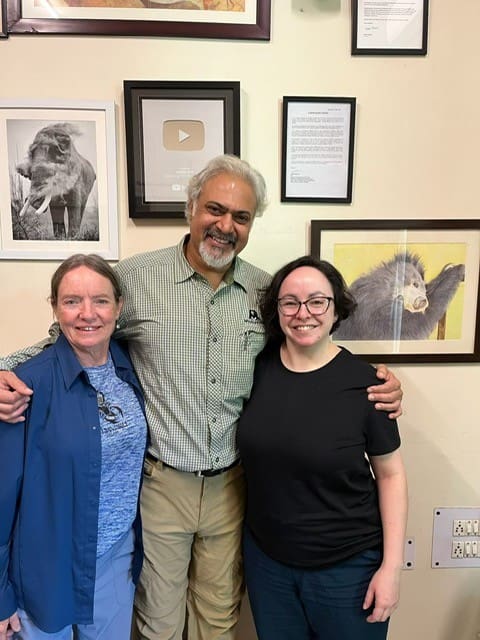
Pictured from left to right: Debbie Thompson, Kartrick Satyanarayan, Co-founder and CEO of Wildlife SOS, and Dr. Laura Bernstein-Kurtycz during Debbie and Dr. Laura’s annual trip to India in November 2025. Wildlife SOS is a long-term conservation partner of the Little Rock Zoo.
Sloth Bear SAFE
The Little Rock Zoo is a founding member of SAFE Sloth Bear. Zoo Conservation and Research Coordinator Dr. Laura Bernstein-Kurtycz serves as Vice Program Leader, and Carnivore Curator/Interim Assistant Zoo Director Debbie Thompson serves on the program’s Steering Committee, helping guide conservation strategy and collaboration across partner institutions.
SAFE Sloth Bear is made up of 12 AZA-accredited partner zoos and three international field partners working directly within the sloth bear’s native range in India and Sri Lanka. Together, this network combines zoo-based expertise with field-based conservation work to better understand and protect this unique species.
In its first year, SAFE Sloth Bear was awarded an AZA Conservation Grant to support critical research efforts focused on sloth bear populations in the wild. This work includes ongoing field research to better understand population status and distribution, as well as efforts to develop updated range maps for sloth bears across India and Sri Lanka. These maps are essential tools for understanding population trends, identifying conservation priorities, and informing the next International IUCN Red List assessment.
Conservation in the Field
Beyond research and data collection, SAFE Sloth Bear also focuses on real-world conservation challenges, including reducing human–bear conflict in India and expanding scientific knowledge of sloth bears in Sri Lanka. These efforts help support both wildlife populations and the communities that share habitat with them.
Each year, AZA conservation leaders and partners—including representatives from the Little Rock Zoo—travel to India to collaborate directly with field conservation organizations such as Wildlife SOS. These partnerships bring together local expertise and global support to strengthen conservation strategies on the ground where they are needed most.
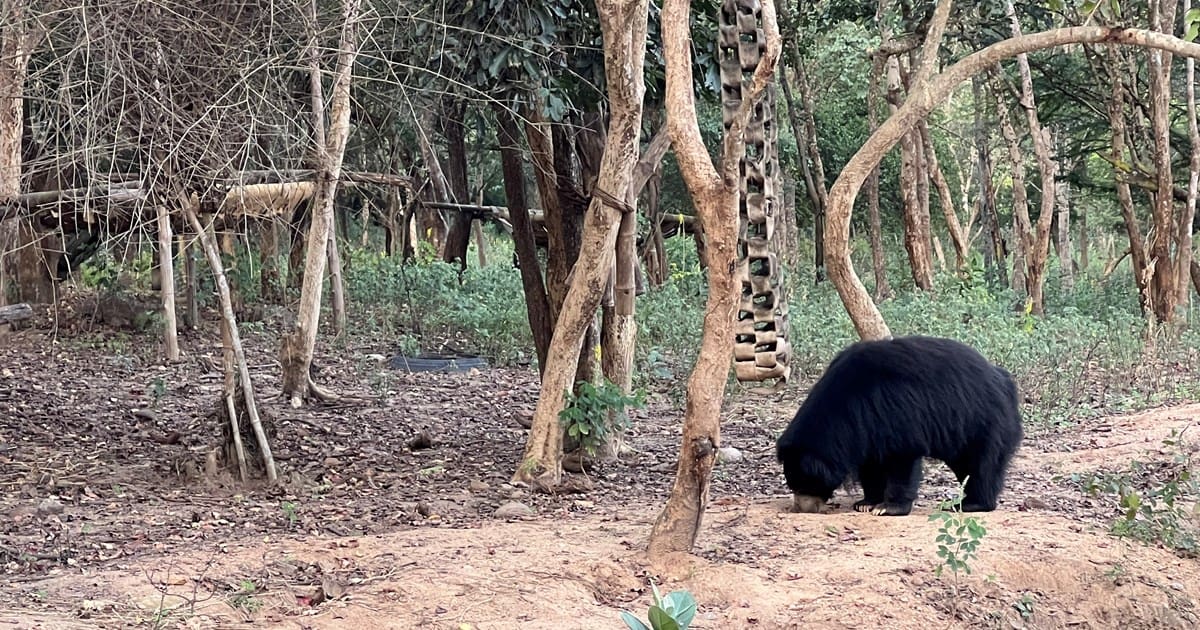
A rescued sloth bear at a Wildlife SOS rehabilitation center. Wildlife SOS is India’s largest wildlife rescue organization, with 12 facilities across the country.
Why It Matters
Programs like SAFE Sloth Bear are a powerful example of how conservation at AZA-accredited zoos translates into real impact in the wild—but they are not the only ones to which the Little Rock Zoo contributes. Through our involvement in multiple SAFE initiatives, we help support coordinated conservation efforts for a wide range of species facing challenges across the globe.
When you visit the Little Rock Zoo, you are supporting this work. Your visit helps fund animal care, education programs, and conservation initiatives that extend far beyond our gates—including global partnerships working to protect species like sloth bears, Asian elephants, orangutans, African penguins, and radiated tortoises. It also supports the staff expertise and leadership that make participation in these SAFE programs possible.
Conservation is not separate from your visit—it is made possible by it. Every ticket, membership, and donation helps strengthen a network of professionals working together to protect wildlife, both here in Arkansas and around the world.
At the Little Rock Zoo, SAFE programs are not just something we participate in—they are part of how we turn your support into meaningful action for wildlife conservation.