
LITTLE ROCK (March 30, 2026)— This spring, the Little Rock Zoo will say goodbye to two familiar members of our chimpanzee troop—Mtoto and Kendi—as they move to another AZA accredited facility.
Kendi, was born here at the Zoo, while Mtoto has been part of the troop for several years. Both have contributed to the social dynamics of the group in meaningful ways, and their presence will be missed by both care staff and guests alike.
While farewells are never easy, this transition represents an important step forward—not just for Mtoto and Kendi, but for the long-term management of chimpanzees in human care.
Part of a Bigger Picture: The Species Survival Plan
Mtoto and Kendi’s move is guided by the Association of Zoos and Aquariums (AZA) Species Survival Plan (SSP). This cooperative program connects accredited Zoos across the country to carefully manage animal populations.
Each SSP considers factors like genetics, age, social compatibility, and long-term population sustainability. Transfers are not made lightly—they are the result of extensive planning and collaboration between institutions and species experts.
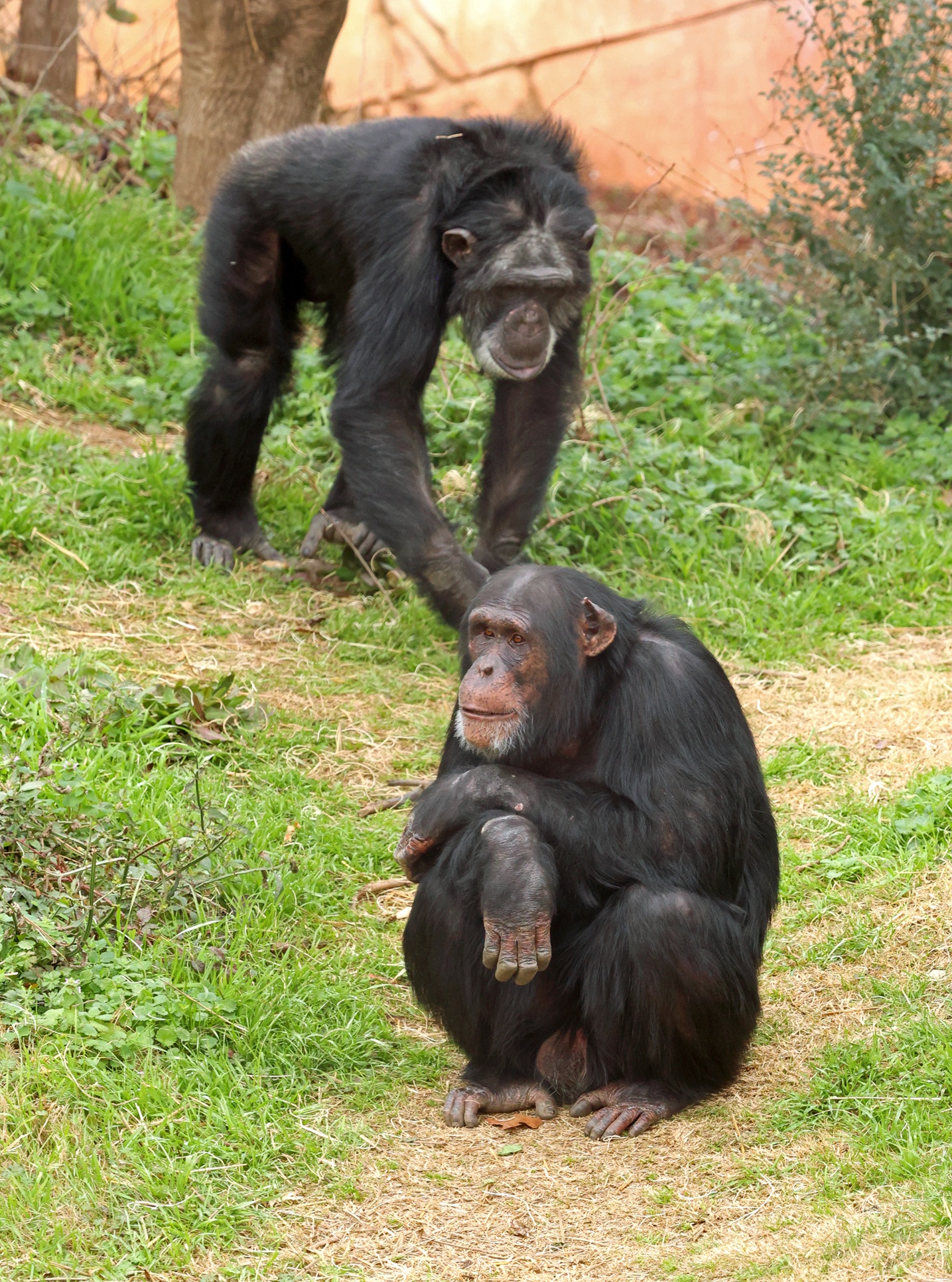
Kendi & Mtoto Photo by Karen C.
For chimpanzees, this level of coordination is especially important. As a long-lived, highly social species, maintaining stable and healthy populations requires thoughtful decisions about where individuals live and with whom they form social bonds.
The Little Rock Zoo has participated in the Chimpanzee SSP for many years, contributing to the care and conservation of the species through both daily management and participation in these broader efforts.
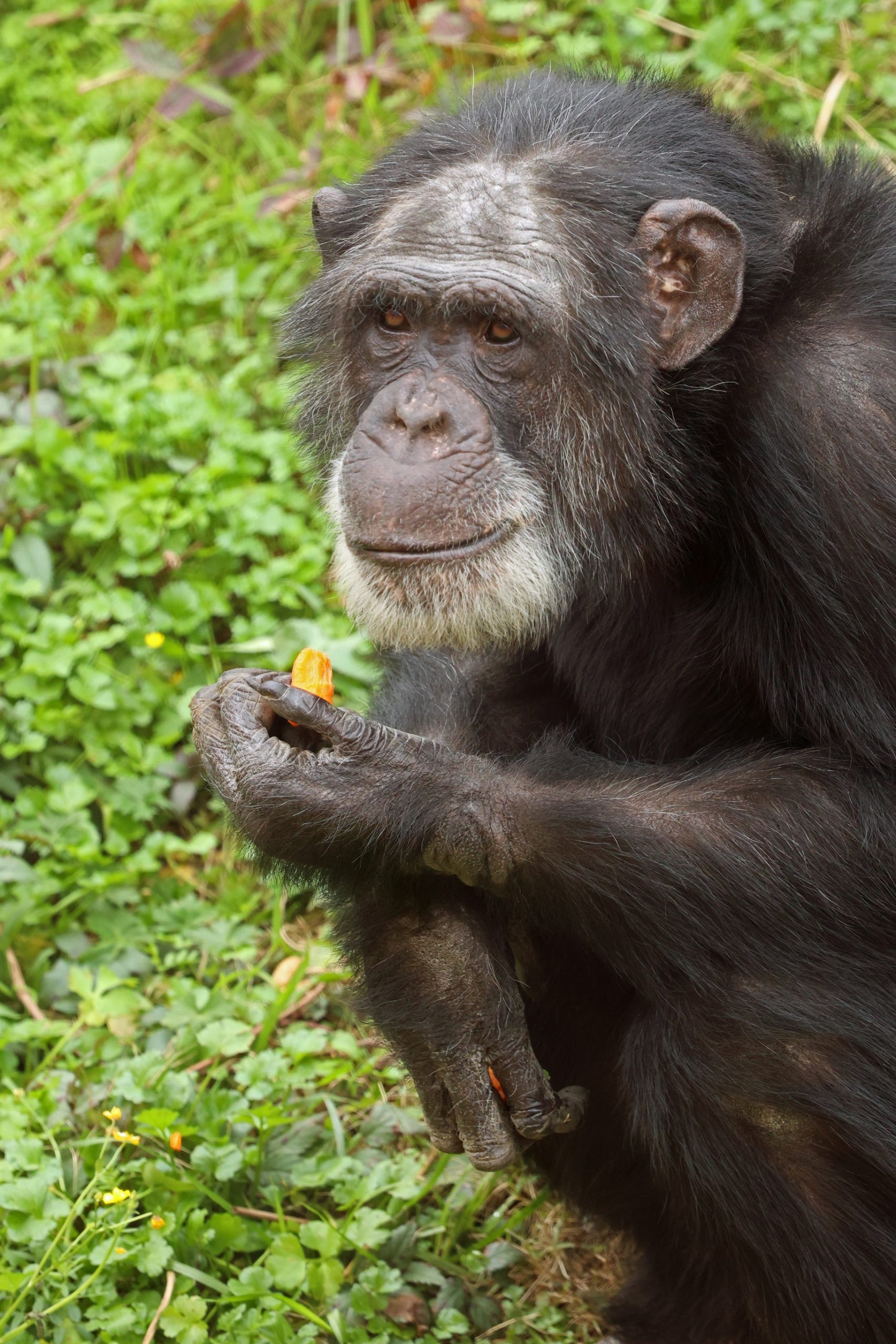
Mtoto Photo by Karen C.
Understanding Chimpanzee Social Life
Chimpanzees have one of the most complex social systems in the animal kingdom. In the wild, they live in what’s known as a fission-fusion society.
Rather than staying in one fixed group at all times, chimpanzees move fluidly between smaller subgroups. Individuals may split off during the day to forage or travel, then reunite later. Group size and composition can change frequently depending on factors like food availability, social relationships, and environmental conditions.
This dynamic system allows chimpanzees to maintain strong social bonds while also adapting to changing circumstances in their environment. At the Zoo, we actively reflect this natural behavior by allowing members of the troop choice and control over where they spend their time and who they spend it with, moving between spaces and social groupings throughout the day.
This flexibility supports natural behaviors and allows each individual to build and navigate relationships in ways that are most natural to them—mirroring the same fluid, choice-driven interactions seen in the wild.
Mimicking Natural Behavior in Human Care
Accredited Zoos incorporate this understanding of chimpanzee behavior into how troops are managed. While habitats are carefully designed to support social interaction, transfers between institutions are one of the key ways to reflect the natural ebb and flow of chimpanzee group structures.
Moves like this allow for:
In this way, chimpanzee care mirrors the natural patterns they would follow in the wild—where individuals don’t remain in the exact same groupings for life, but instead experience changes in their social environment over time.
- New social opportunities and relationships
- Adjustments to troop dynamics
- Support for long-term genetic diversity
These transitions are carefully planned to support each individual’s well-being, with animal care teams working closely together before, during, and after each move.
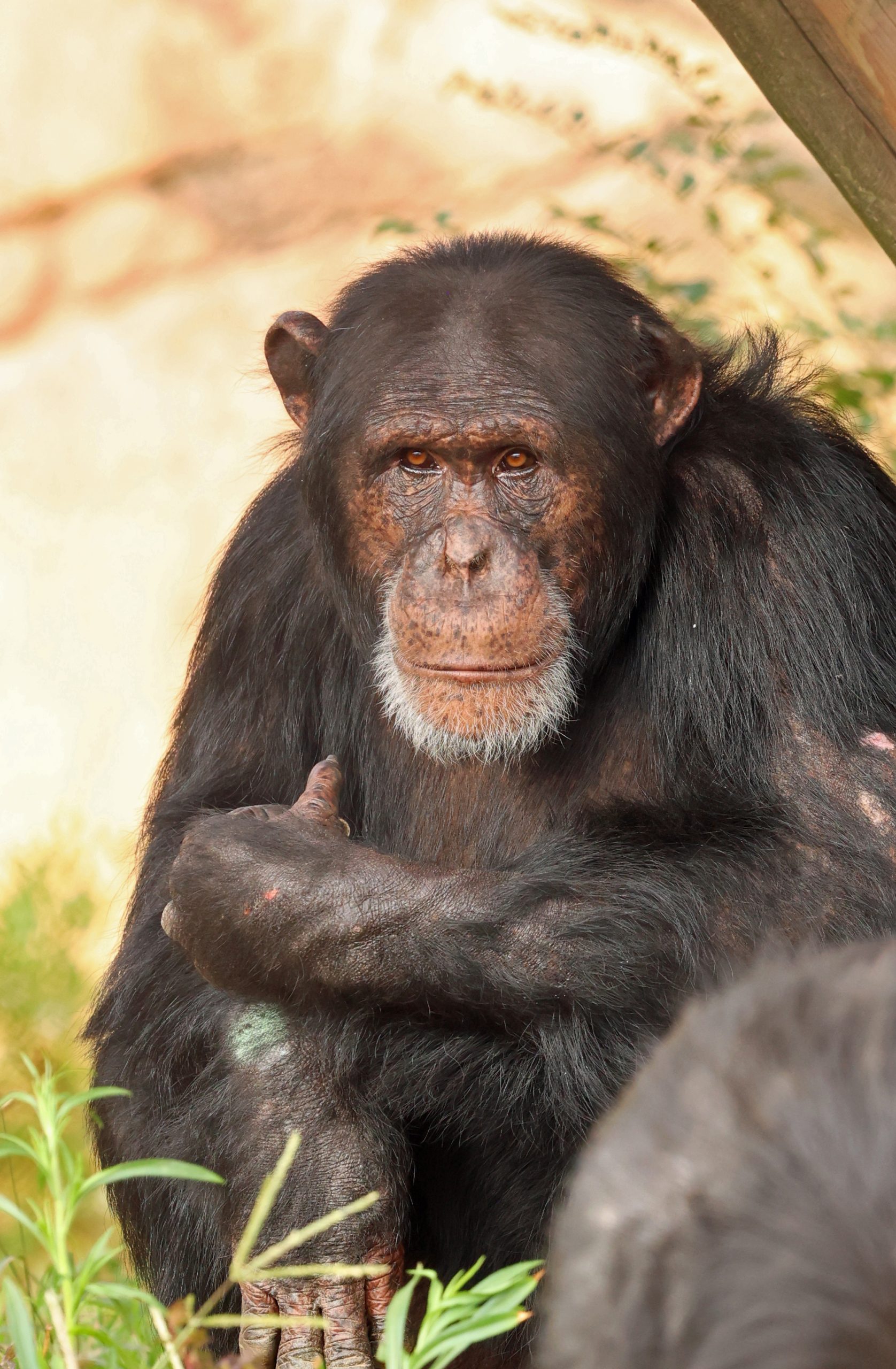
Kendi Photo by Karen C.
What This Means for Our Troop
Mtoto and Kendi’s departure creates space for future changes within the Little Rock Zoo’s chimpanzee troop. While specific plans develop over time through the SSP, these transitions help ensure that the group remains socially healthy and adaptable.
For the rest of the troop, shifts in group dynamics are a natural part of chimpanzee life. Care teams will continue to monitor interactions and provide opportunities for enrichment, choice, and social engagement as the group adjusts.
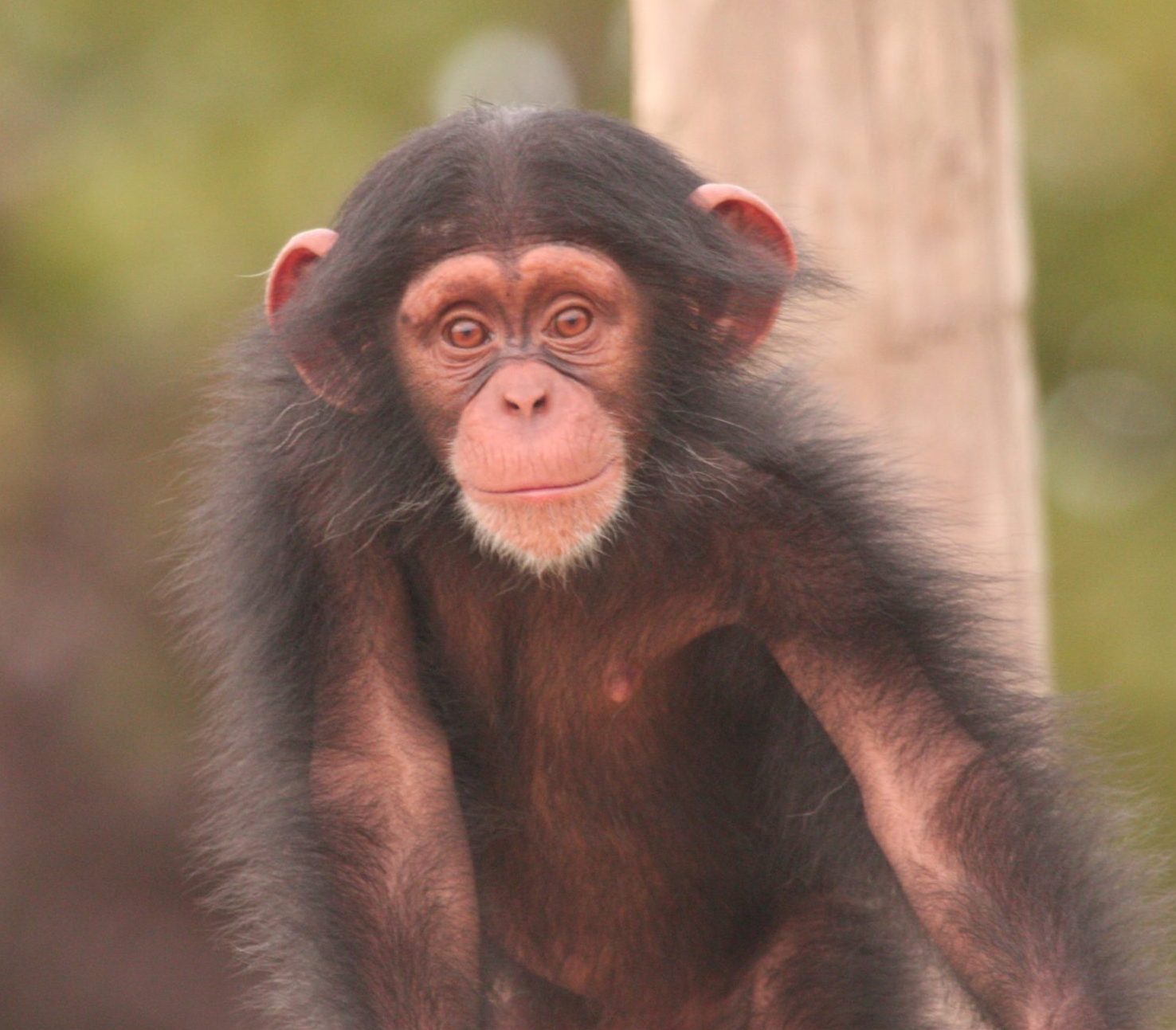
Kendi 2010 Photo by Karen C.
Visit Before They Go
For many of our guests, Kendi and Mtoto have been a memorable part of visits to the Zoo. In the coming weeks, we invite you to stop by the chimpanzee habitat to see them and learn more about the complex social lives of chimpanzees.
Moments like these also offer a chance to better understand how Zoos work together to support animal care and conservation on a larger scale.