
LITTLE ROCK (December 30, 2025)— There’s a very special new chapter in the Zoo’s bush dog story! Our resident bush dog pair, Luz and Paku, first captured hearts when they arrived from France in a carefully coordinated effort guided by the Species Survival Plan (SSP). Earlier this year, we celebrated the arrival of their first litter—and now, we’re thrilled to announce that Luz and Paku welcomed a second healthy litter of two pups on Christmas Day!
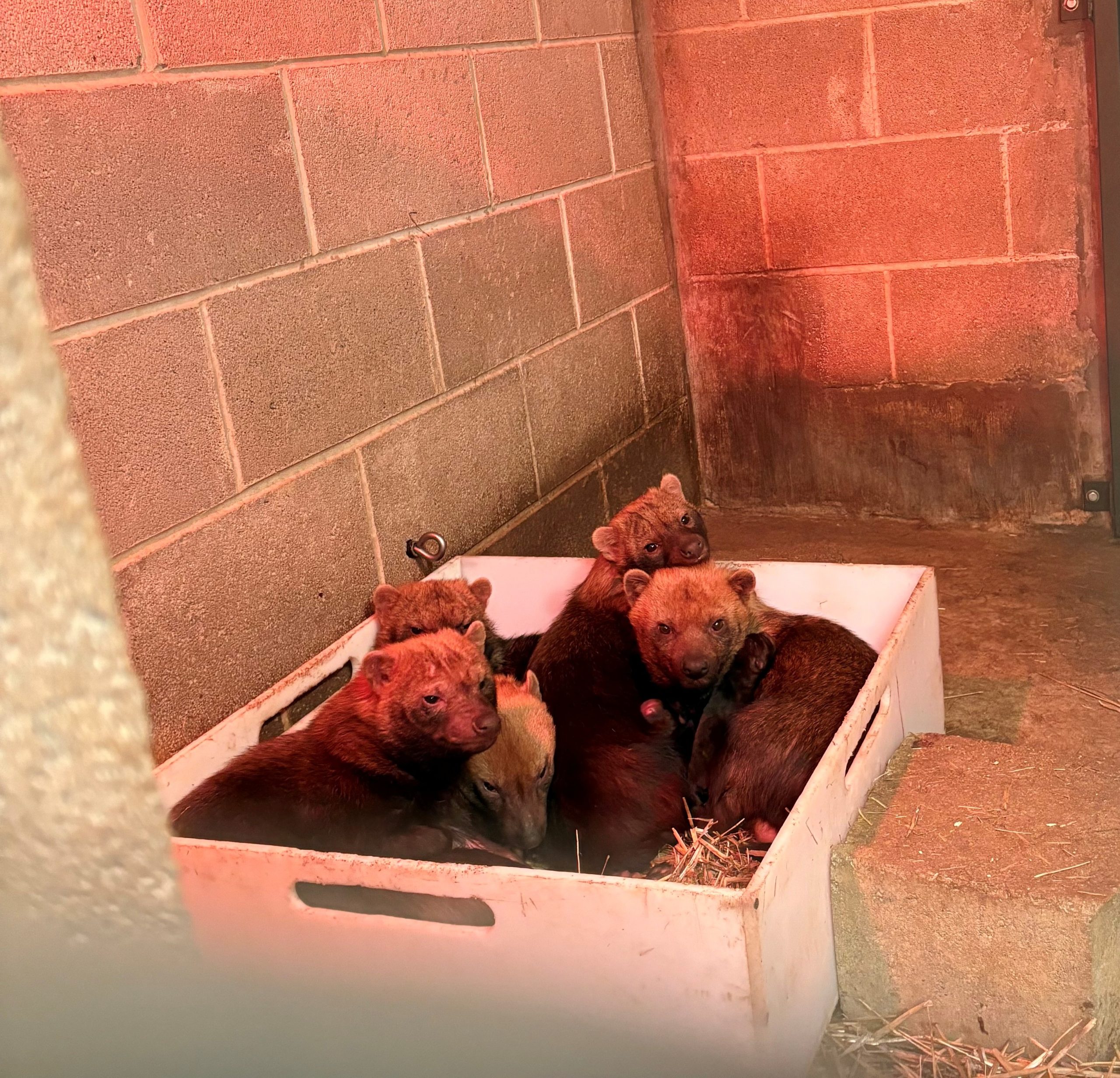
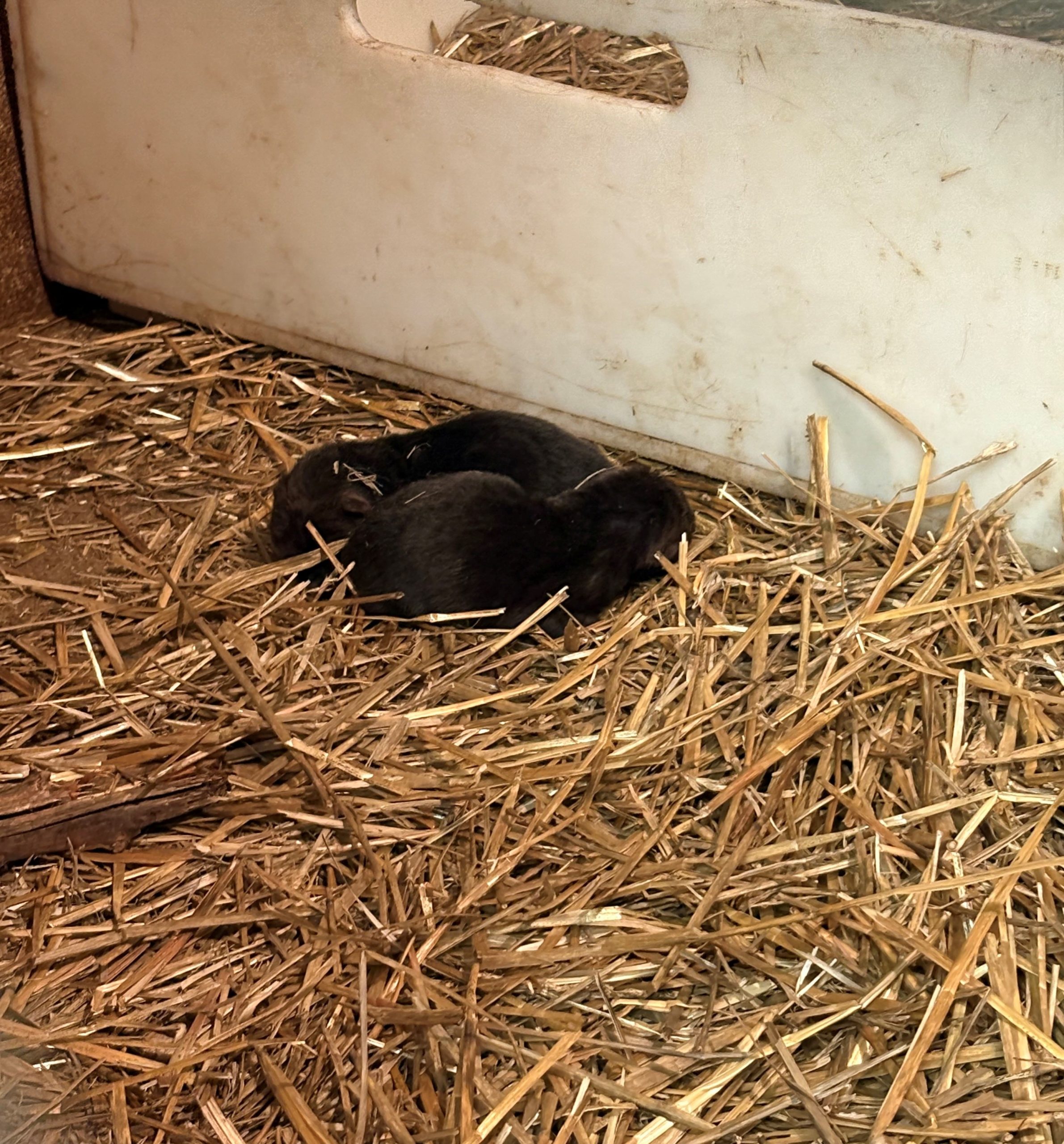
Bush dogs are altricial, meaning their pups are born helpless with underdeveloped senses and rely completely on their parents. One unique aspect of bush dog families is that dad and older siblings stay with mom and the new pups, helping care for the littlest members of the pack. The arrival of the pups also provides valuable experience for their older siblings, who will learn parenting skills by helping care for the new pups.
In the early days, our animal care team takes a hands-off approach, allowing the family to bond naturally. Pups typically open their eyes between 14 and 19 days after birth and begin venturing out of the den soon after. As they grow, they’ll start exploring their surroundings and displaying the strong pack behaviors that are typical for bush dogs.
To keep the pups safe as they gain mobility, temporary “puppy fences” will be added to the habitat to prevent them from venturing too close to the moat. While the older family members may appear on exhibit, the puppies will remain behind the scenes for the first few weeks.
More About Bush Dogs
Bush dogs (Speothos venaticus) are small wild canids native to Central and South America. Despite their name, they’re more closely related to maned wolves than domestic dogs. These elusive animals live in tight-knit packs and are known for cooperative hunting, sometimes taking down prey much larger than themselves. They are also strong swimmers, with partially webbed feet that help them navigate flooded forests and rivers.
Because bush dogs are secretive in the wild, much of what we know comes from observing them in zoos. If you visit, you might hear them vocalizing or even see them scent-marking—a behavior where they appear to do a handstand while raising their hind legs. Field researchers are also making progress in learning more about this species in the wild, using domestic dogs trained to sniff out bush dog scat to help locate populations. This work supports the creation of wildlife corridors and protected areas that benefit bush dogs—and entire ecosystems. Unfortunately, habitat loss remains their greatest threat, which is why global cooperation, including transfers like Luz and Paku’s move to Little Rock, is critical for the species’ survival.
Bush Dog Conservation
While these births are exciting, they also highlight a larger conservation story. Bush dogs face ongoing threats in the wild, and partnerships like the SSP help accredited zoos maintain healthy populations in human care while supporting research and conservation efforts in the wild. The Little Rock Zoo is proud to be part of this work.
We help support wildlife conservation in many ways—both locally and globally. Simply visiting the Zoo helps make this work possible. Your parking fees, for example, directly support conservation efforts, helping fund research, habitat protection, and community-based programs. This means that every visit to the Zoo contributes to conservation, making your day spent at the Zoo a meaningful way to support wildlife both locally and around the world.
Stay tuned as we will continue to share updates as the pups grow, but we invite you to come witness this remarkable conservation success in person. Their habitat is located between the Sloth Bears and Otters