
LITTLE ROCK (April 6, 2026) –If you’ve visited the Nature Playground near the front of the Zoo recently, you may have noticed a new structure along with the Bugtopia bugs. While it may seem unfinished now, it’s quietly preparing to become one of Bugtopia’s coolest features!
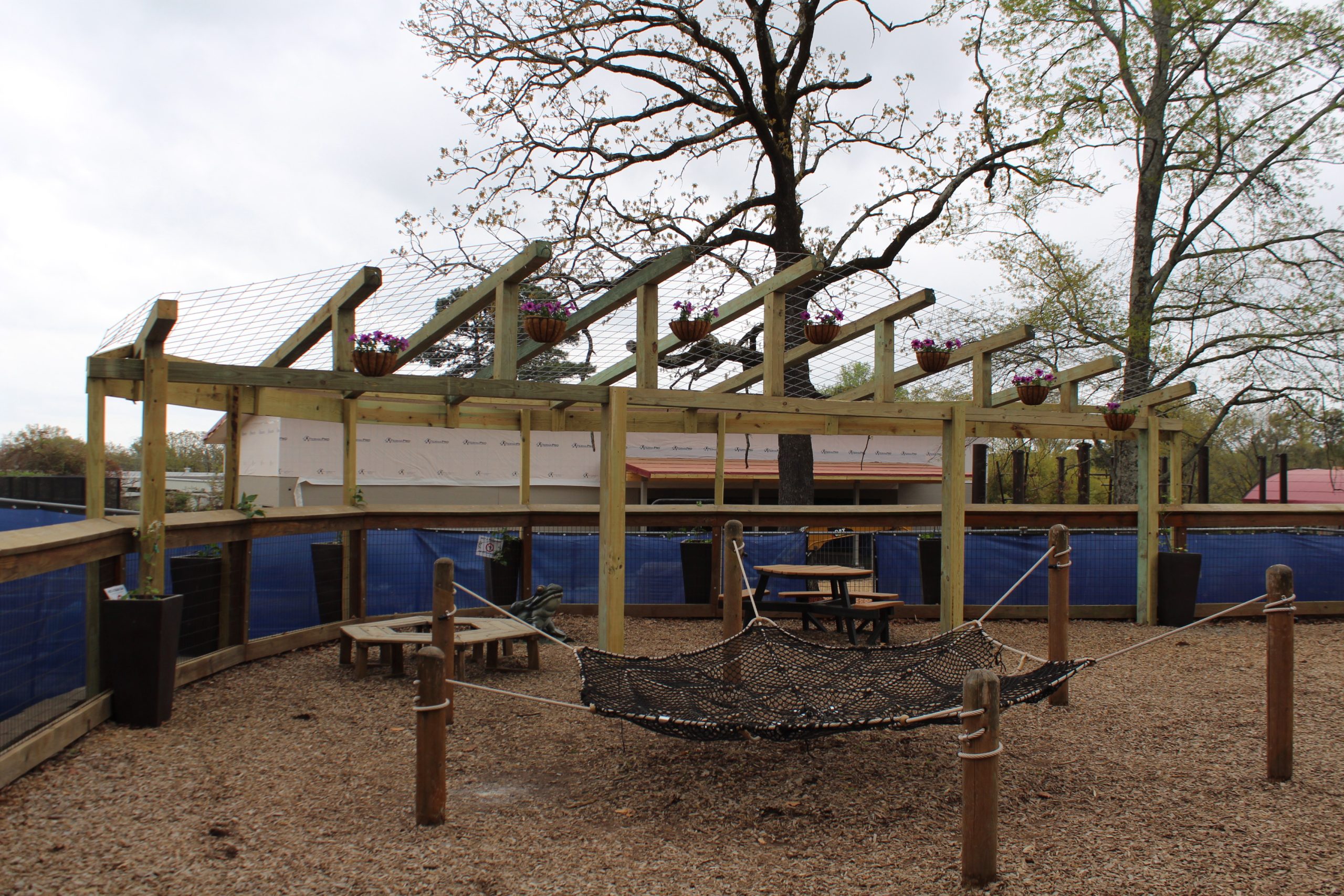
New shade structure installed at the Nature Playground. Photo Credit: Misty W.
This unique installation is designed to eventually provide shade, giving guests relief from the sun as the plants grow and cover the framework. Along the backside, edible vines including Passionfruit and Malabar Spinach climb upward, with Sandpaper Vines at either end. Nasturtiums fill the pots along the base, adding color and interest while they climb toward the top. By summer, we hope the structure will be fully covered, creating a lush, green canopy.
The Zoo’s horticulture team works tirelessly to maintain the grounds, and their special touch is evident in the new Bugtopia exhibit. They’ve carefully selected and planted a variety of species that both support pollinators and bring the exhibit to life. Bright cosmos, zinnias, and sunflowers to multiple species of hibiscus, aren’t just beautiful—they provide food and shelter for bees, butterflies, and other vital insects.
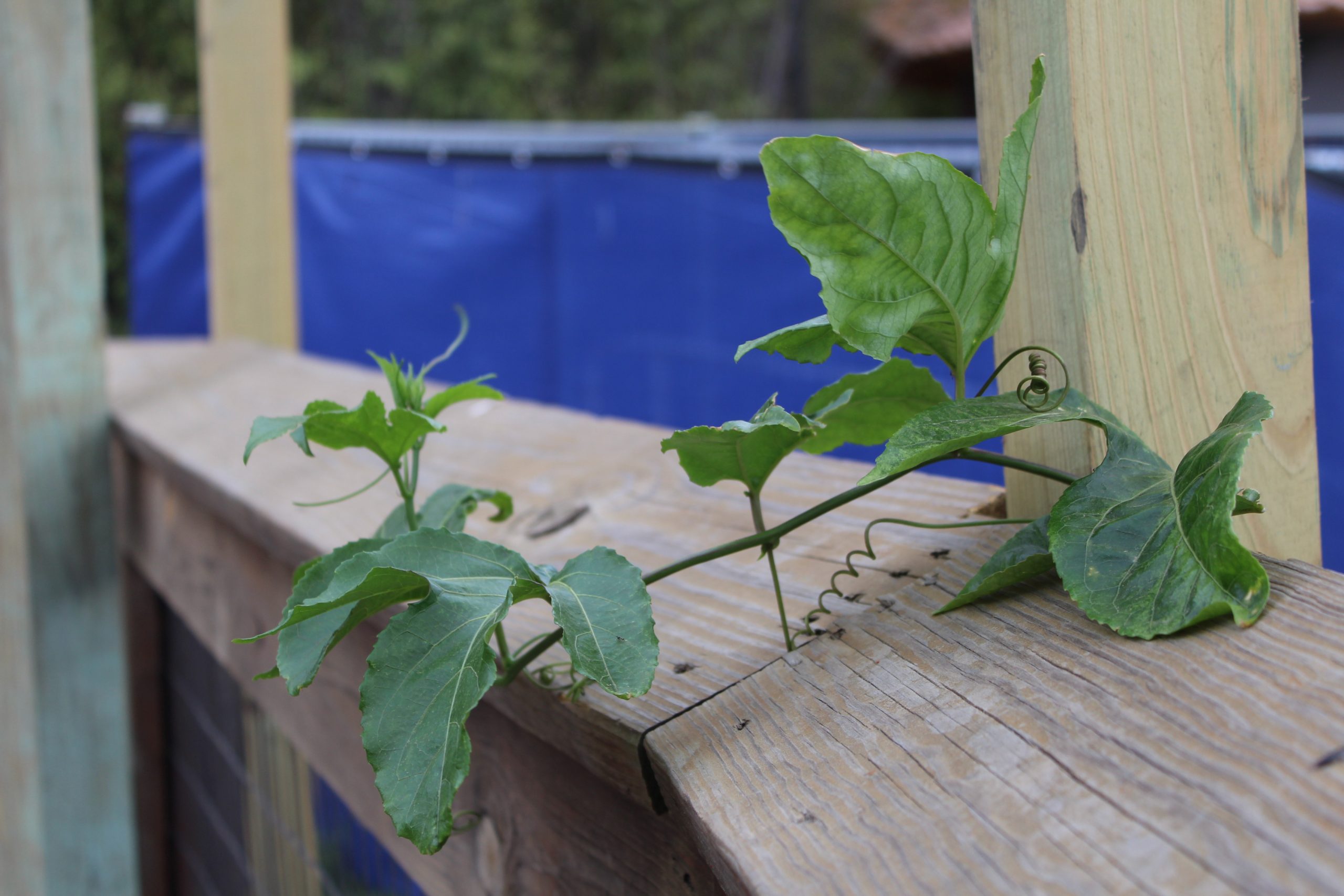
Vines beginning to sprout along the new shade structure at the Nature Playground. Photo Credit: Misty W.
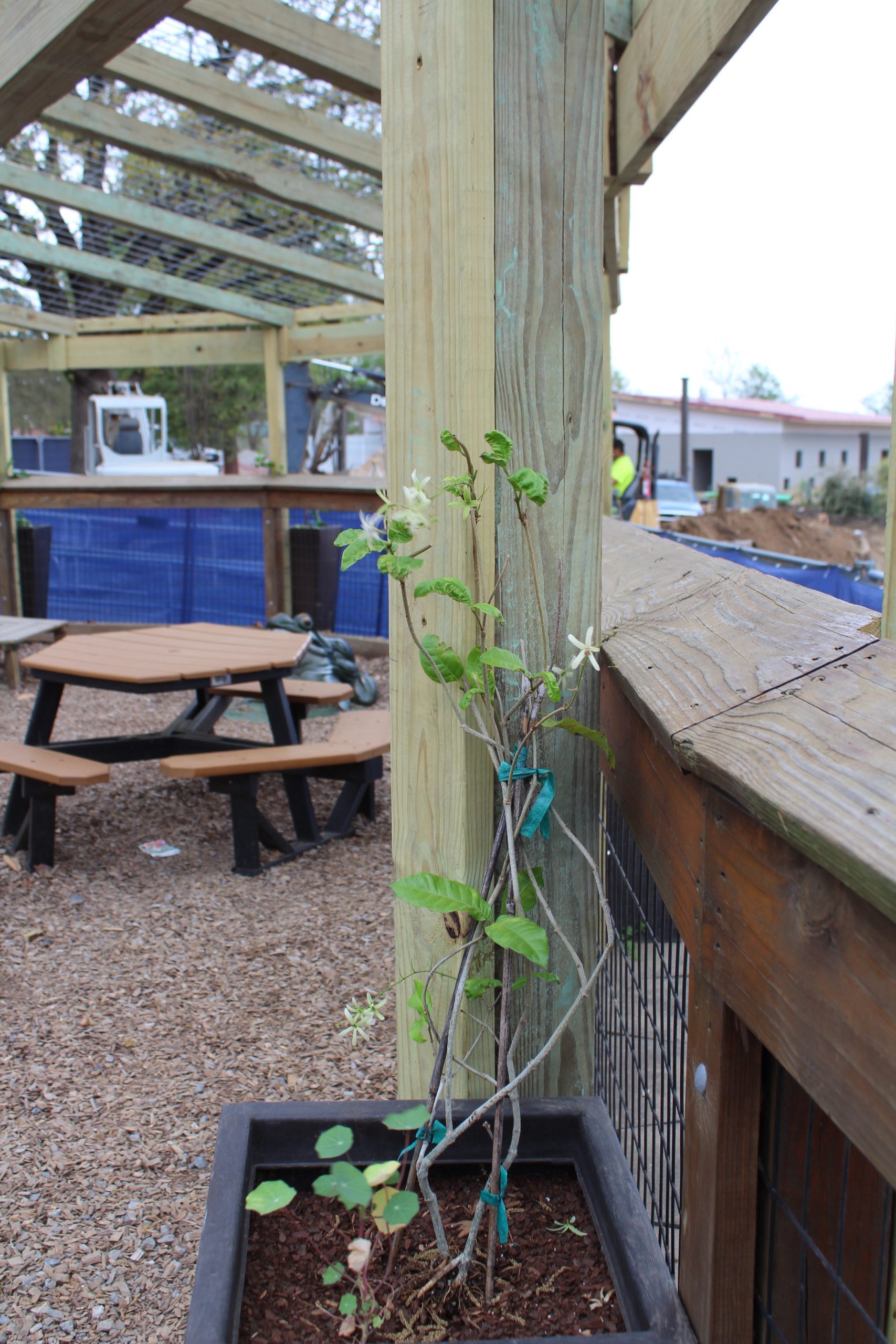
Vines beginning to sprout along the new shade structure at the Nature Playground. Photo Credit: Misty W.
Around Zoo grounds, many of the plants are native species, helping sustain small, interconnected ecosystems that benefit local wildlife. Host plants are particularly important—they provide food and shelter for the caterpillars of butterflies and other insects, supporting their full life cycles from egg to adult. For example:
- Black Cherry (Prunus serotina): A host for swallowtail butterflies, providing leaves for caterpillars to feed on.
- Milkweed (Asclepias spp.): Essential for monarch butterflies, supporting their caterpillars and contributing to pollination.
- Goldenrod (Solidago spp.): Late-season nectar source for bees, butterflies, and beneficial insects, including ladybugs and wasps.
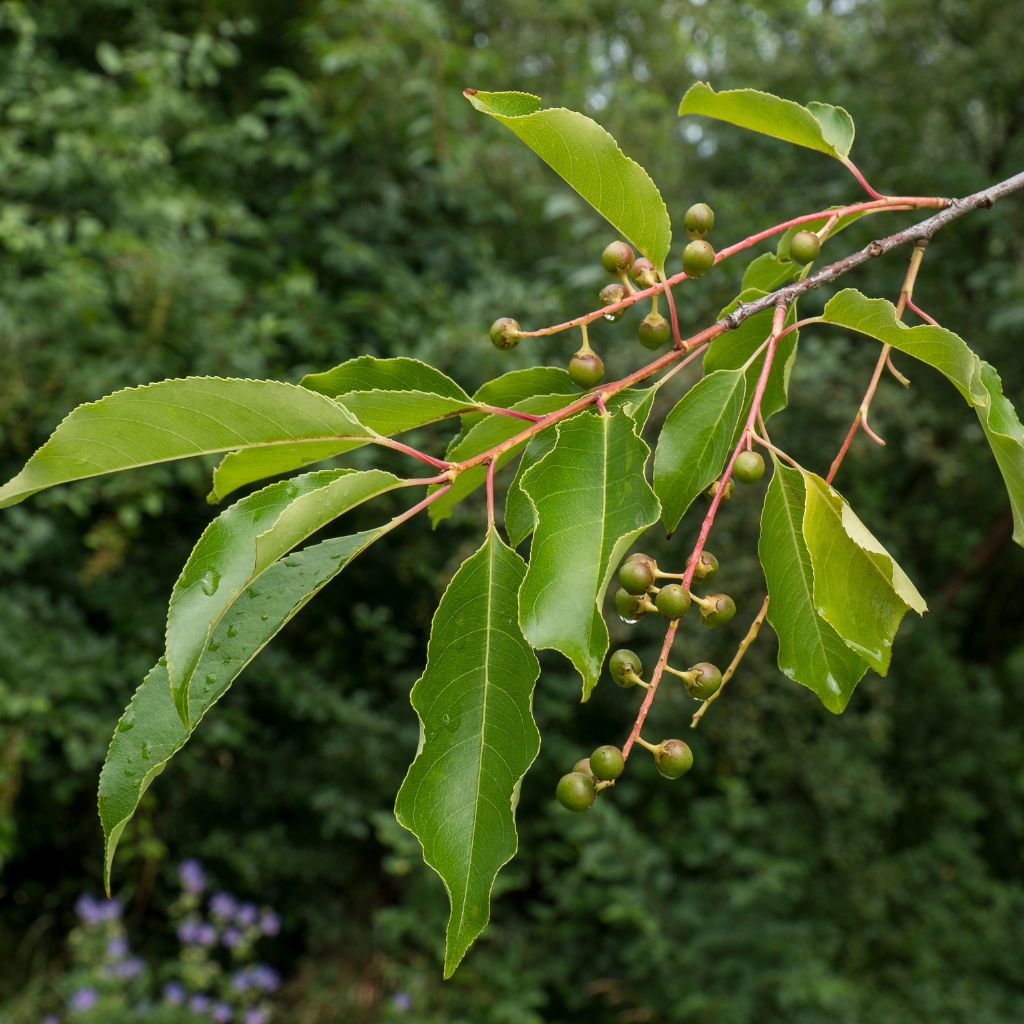
Black Cherry (Prunus serotina)
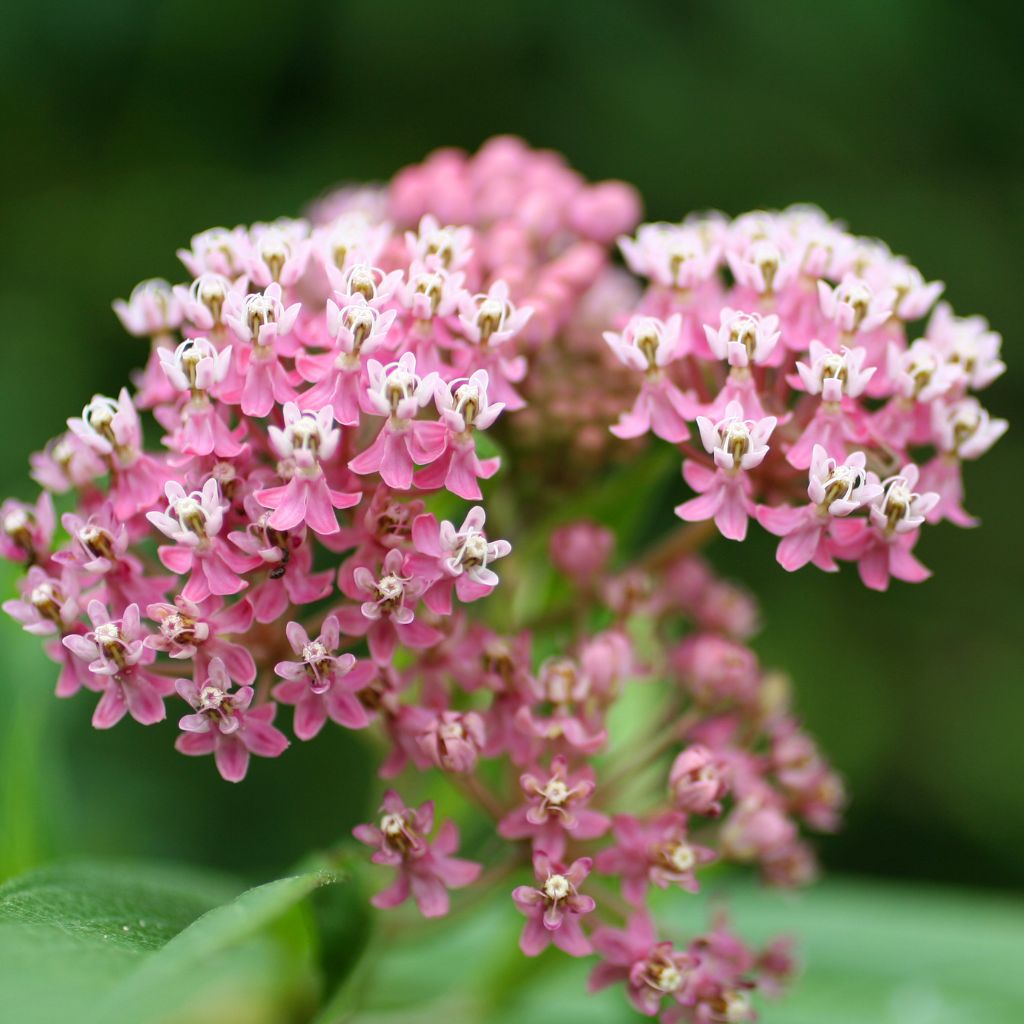
Milkweed (Asclepias spp.)
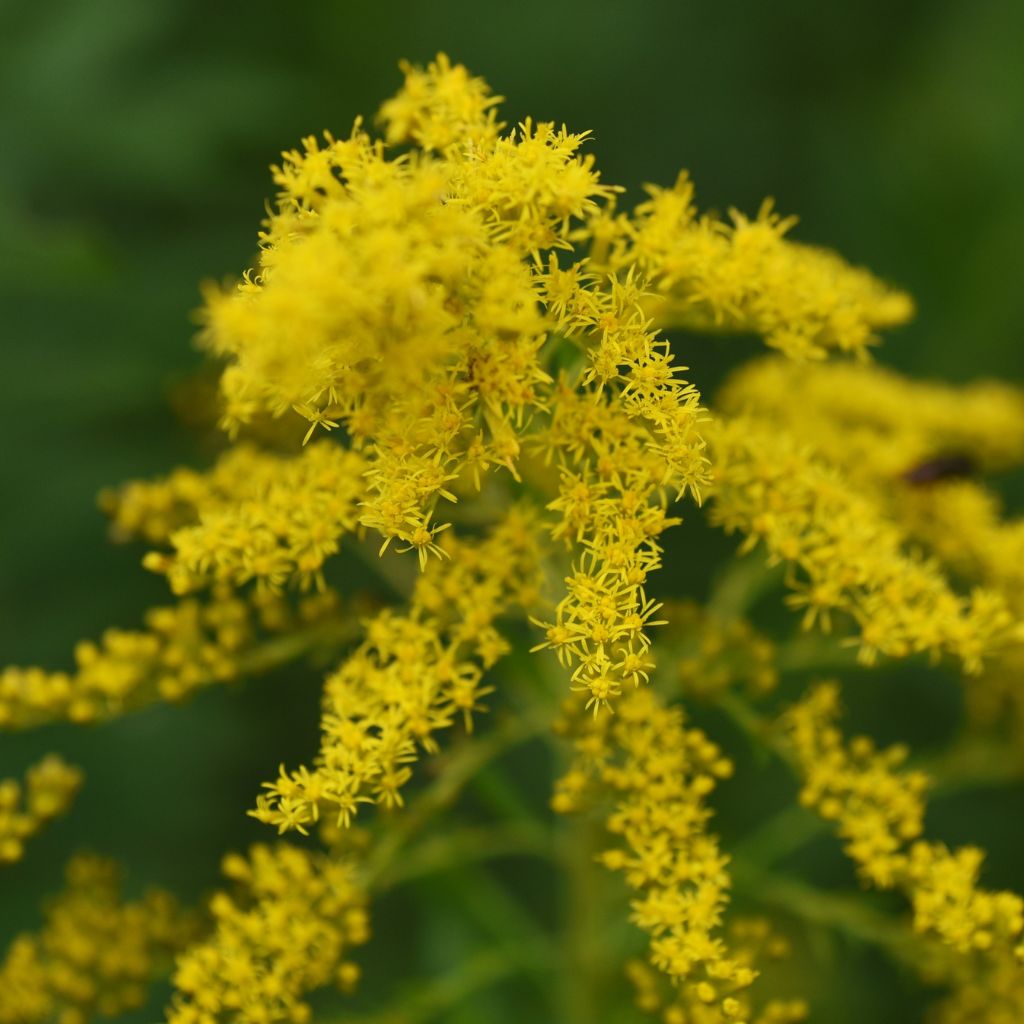
Goldenrod (Solidago spp.)
By planting these native species, the Zoo creates small, thriving ecosystems that support a variety of insects, pollinators, and even the birds and other animals that feed on them. Every plant plays a role: leaves provide food for caterpillars, flowers supply nectar for adult pollinators, and seeds or berries feed local birds. Maintaining these plants in place allows these cycles to continue, keeping the Zoo’s habitats vibrant and biologically connected.
That’s why we ask guests to leave the plants and flowers alone. Picking leaves or blooms might seem minor, but it can disrupt growth patterns critical not only for the plants but also for the wildlife that rely on them. Even a tiny caterpillar egg on a single leaf is part of this interconnected system, eventually becoming a pollinator that helps plants reproduce. By keeping the plants intact, you’re helping maintain a full, thriving ecosystem where every organism, big or small, plays a role.
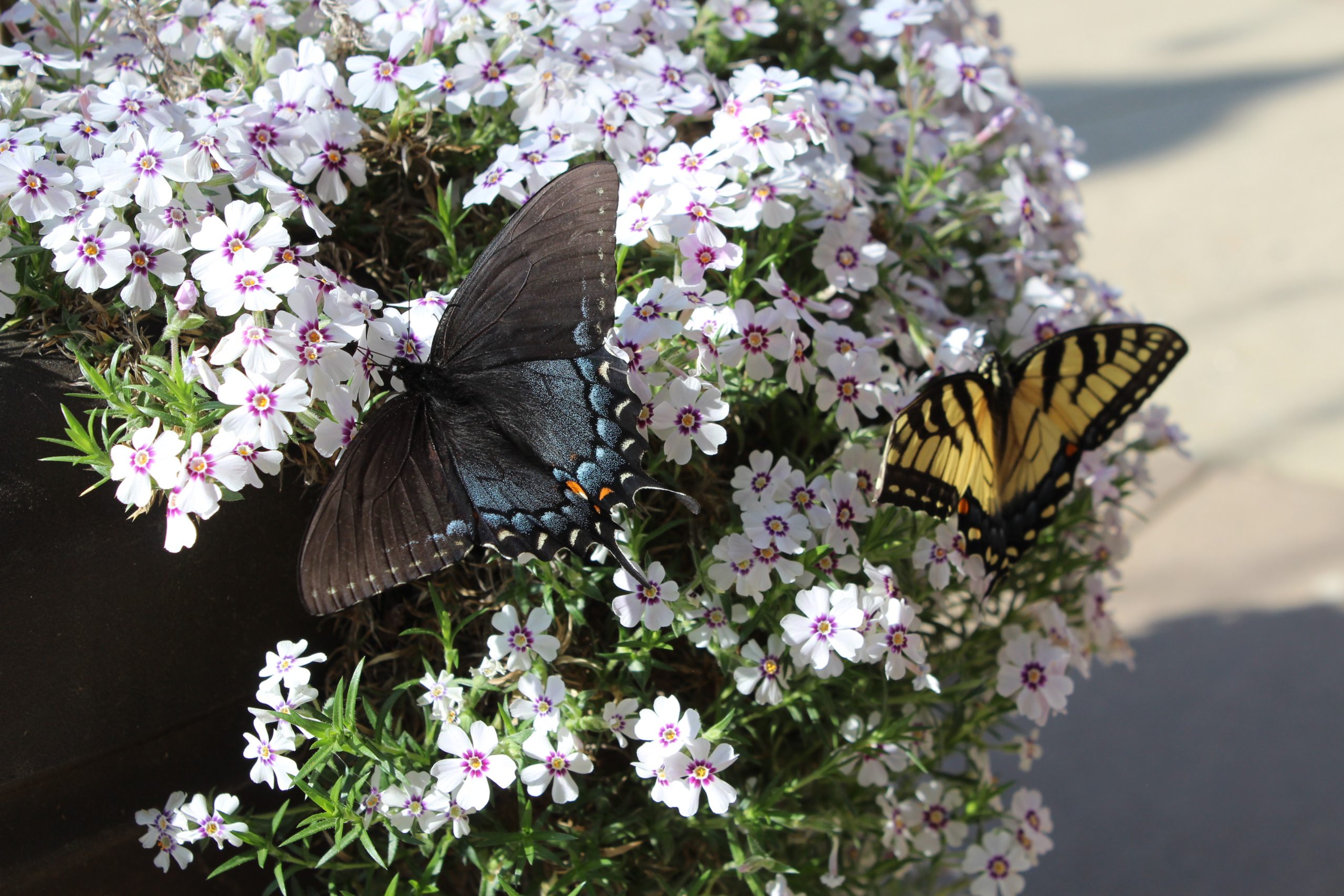
Swallowtail butterflies enjoying the new plantings from the Bugtopia installation. Photo credit: Misty W.
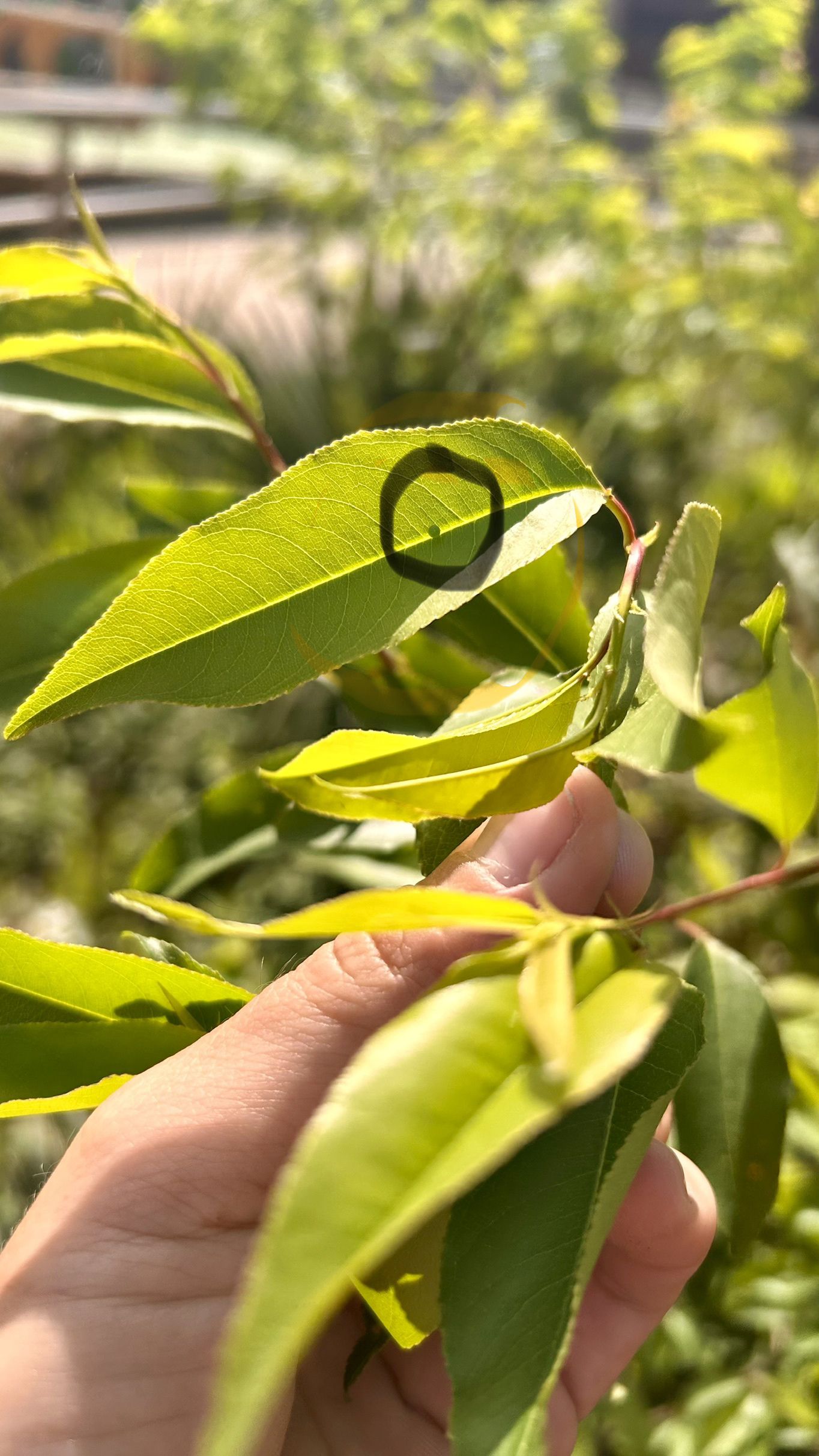
Swallowtail butterfly egg on a plant at the Zoo. Photo credit: Melissa S.
Be sure to discover the plants, pollinators, and fascinating insects around the Zoo on your next visit! Bugtopia is included with your admission and open now through September, offering a vibrant and interactive experience for guests of all ages.