
LITTLE ROCK (March 5, 2026) – There’s nothing better than seeing progress in person—and this week, Zoo staff had the opportunity to walk through the construction site alongside the animal care teams who will one day call these spaces home.
To say there is excitement would be an understatement. Everyone is energized by what’s taking shape.
While much of the recent work has focused indoors—utilities, electrical, plumbing, rockwork, and pools—the spaces are beginning to feel real. These aren’t just buildings anymore. They’re future habitats.
Designed for Animals — And the People Who Care for Them
Each of the new buildings includes indoor day rooms with guest viewing areas. On cooler days, or anytime animals choose to spend time inside, guests will still have the opportunity to observe them. These indoor environments are being outfitted with species-specific features like climbing structures, pools, dig pits, and custom rockwork—all designed to support natural behaviors and provide flexibility.
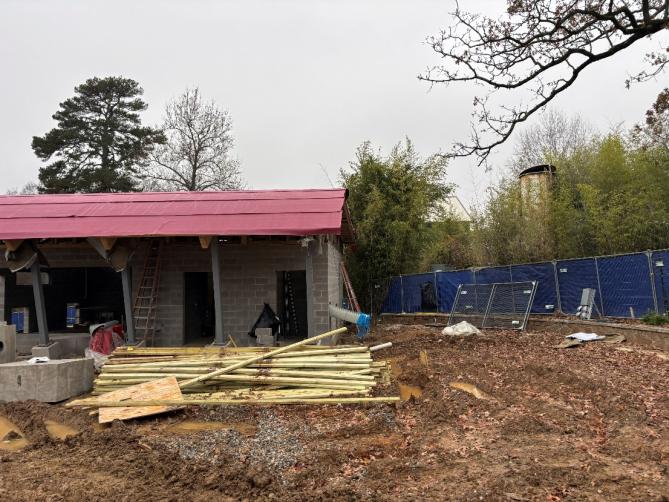
An exterior view of the new tortoise barn, which will include pools, skylights, warmers, planters, and both indoor and outdoor viewing areas. Photo Credit: WDD Architects
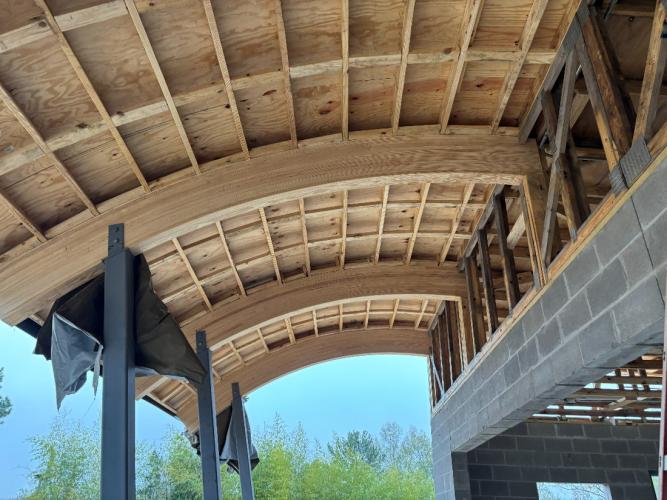
A curved overhang above the viewing window provides shade for guests while they watch the tortoises inside. Photo Credit: WDD Architects
The building farthest to the right will soon become the new home for our Aldabra tortoises, and Senior Reptile Keeper Zach was eager to walk us through the features of the new tortoise barn. Both the indoor day room and the outdoor habitat will include pools—ideal for tortoises that enjoy soaking for long stretches. The space will also feature warming areas and integrated planters that enhance both the habitat’s function and overall appearance. Still, one detail Zach shared stood out above the rest.
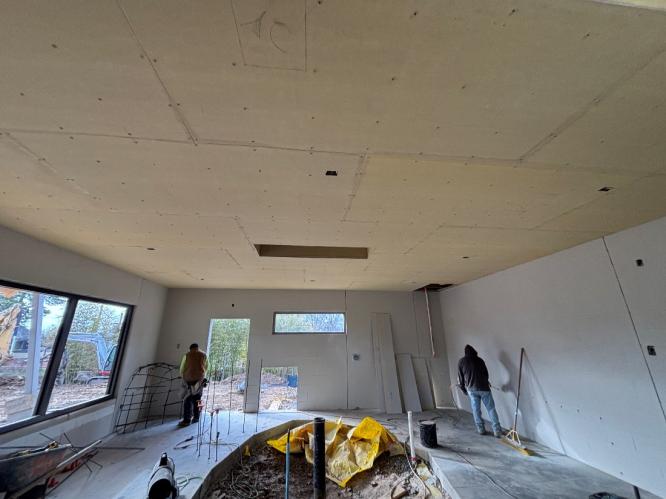
Inside the new tortoise barn, workers prepare the rebar for the indoor structures. The access doors to the yard are visible—one sized for tortoises, the other for humans. Photo Credit: WDD Architects
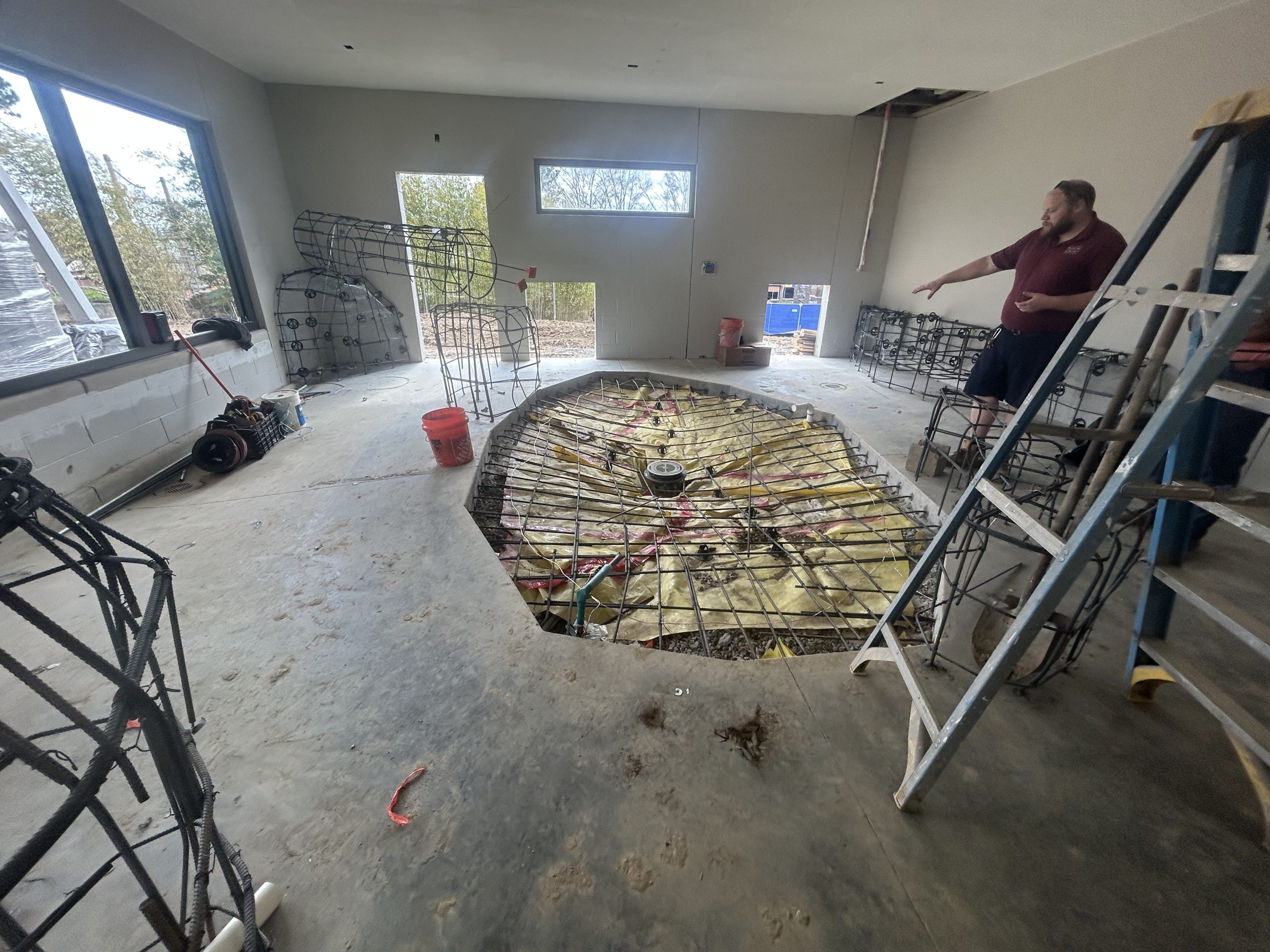
Zach gives a behind-the-scenes look at the tortoise barn, pointing out the pools, skylights, warmers, and other features designed for the tortoises’ comfort. Photo Credit: Misty W.
In the current tortoise barn, there isn’t a human-sized door leading out to the exhibit—meaning keepers have to crouch and crawl through the tortoise door to access the habitat for cleaning and daily care. The new habitat will include both tortoise-sized and human-sized doors, allowing staff to move safely and comfortably between spaces.
It’s a simple change, but it speaks volumes about the thoughtful design behind this project. These updates aren’t just improving life for the animals—they’re improving quality of life for the people who care for them every day.
Across the project, keepers will benefit from:
- Larger behind-the-scenes work stations
- Washer and dryer hook-ups
- Improved storage areas
Modern, functional support spaces allow the animal care team to work more efficiently, which ultimately benefits the animals as well.
The Capybara Comeback
One of the biggest sources of excitement in this area is the return of the capybara.
At the center of the site, the larger building will house squirrel monkeys and capybaras—and will also become a new home for our anteaters. For many guests, the capybara has been a memorable favorite in years past, and their return is something both staff and visitors have been eagerly anticipating.
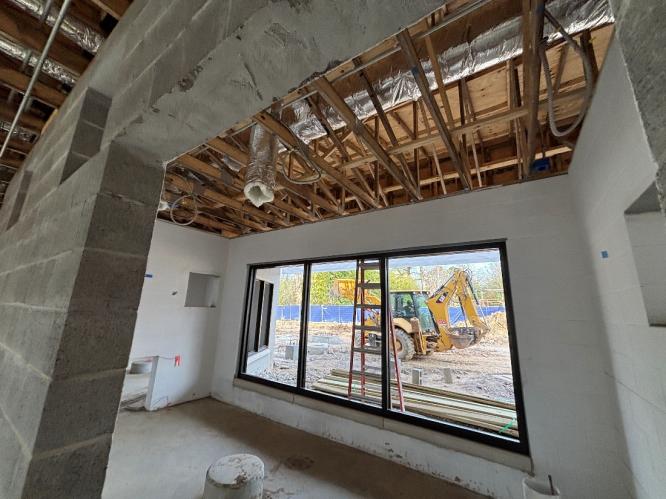
An inside look at the middle day room. Photo Credit: WDD Architects
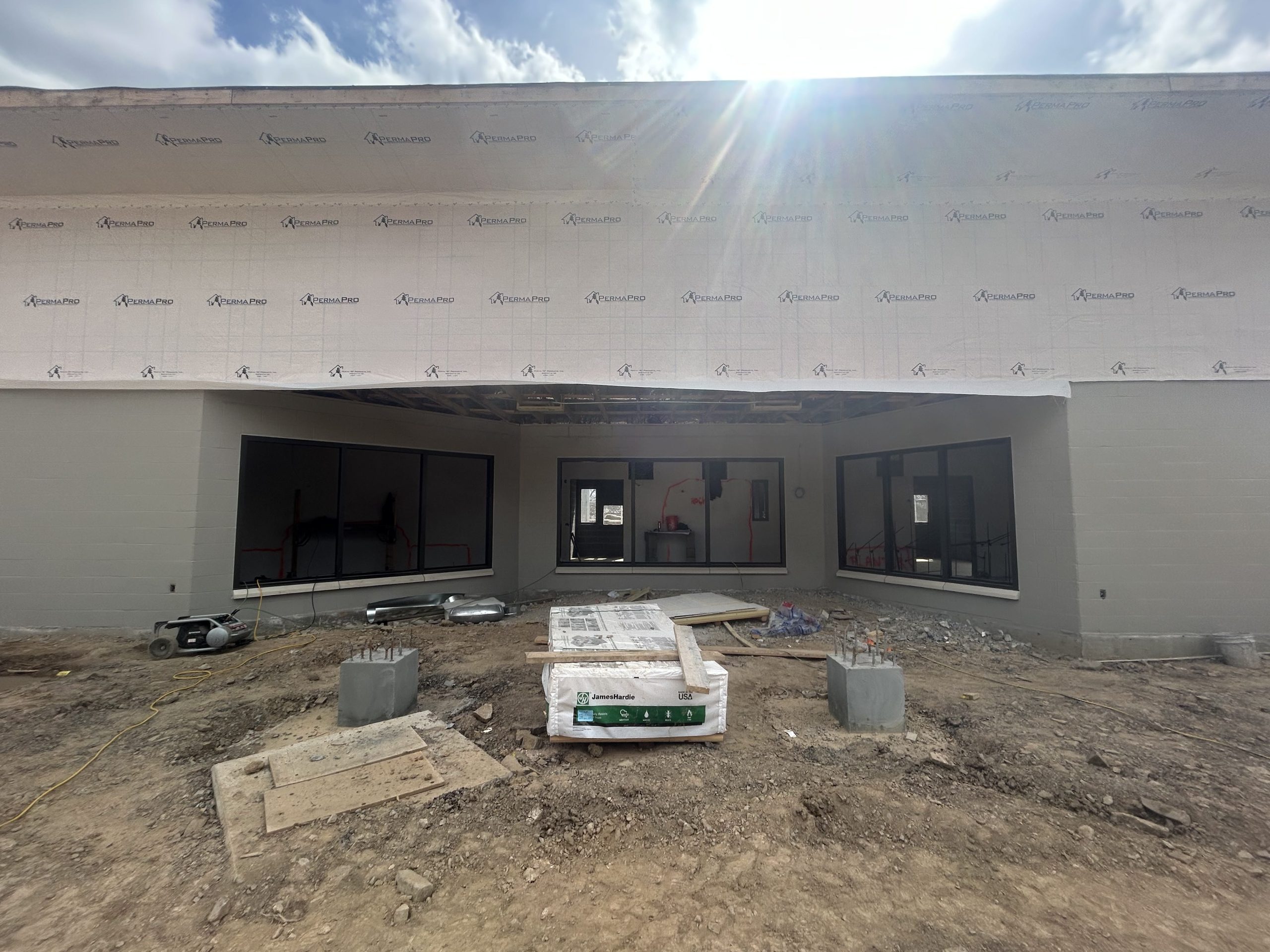
An outside view of the day room windows. The anteater exhibit will be on the left, while the capybaras and squirrel monkeys will share the two rooms on the right. Photo Credit: Misty W.
The new habitat is being designed with natural behaviors at the forefront. For capybaras, that means access to water for swimming and soaking—an essential part of daily life for the world’s largest rodent. Both indoor and outdoor spaces will support that their semi-aquatic lifestyle.
Above and around them, squirrel monkeys will have dynamic climbing structures that encourage movement and exploration, creating a layered, active habitat. The shared building is thoughtfully planned to support multiple species while providing each with the features they need to thrive.
The anteaters’ new indoor day room is also being intentionally designed. It will feature a dig pit to encourage natural foraging behaviors, allowing them to use their powerful claws and keen sense of smell the way they would in the wild. Providing opportunities for species-specific behaviors like digging and exploring is a key part of habitat design, and this new space gives them more room and flexibility to do just that.
Just to the left of the amphitheater, the small primate team is especially excited about the reimagined lemur habitat. This will be a significant expansion, offering the lemurs a much larger and more complex exhibit.
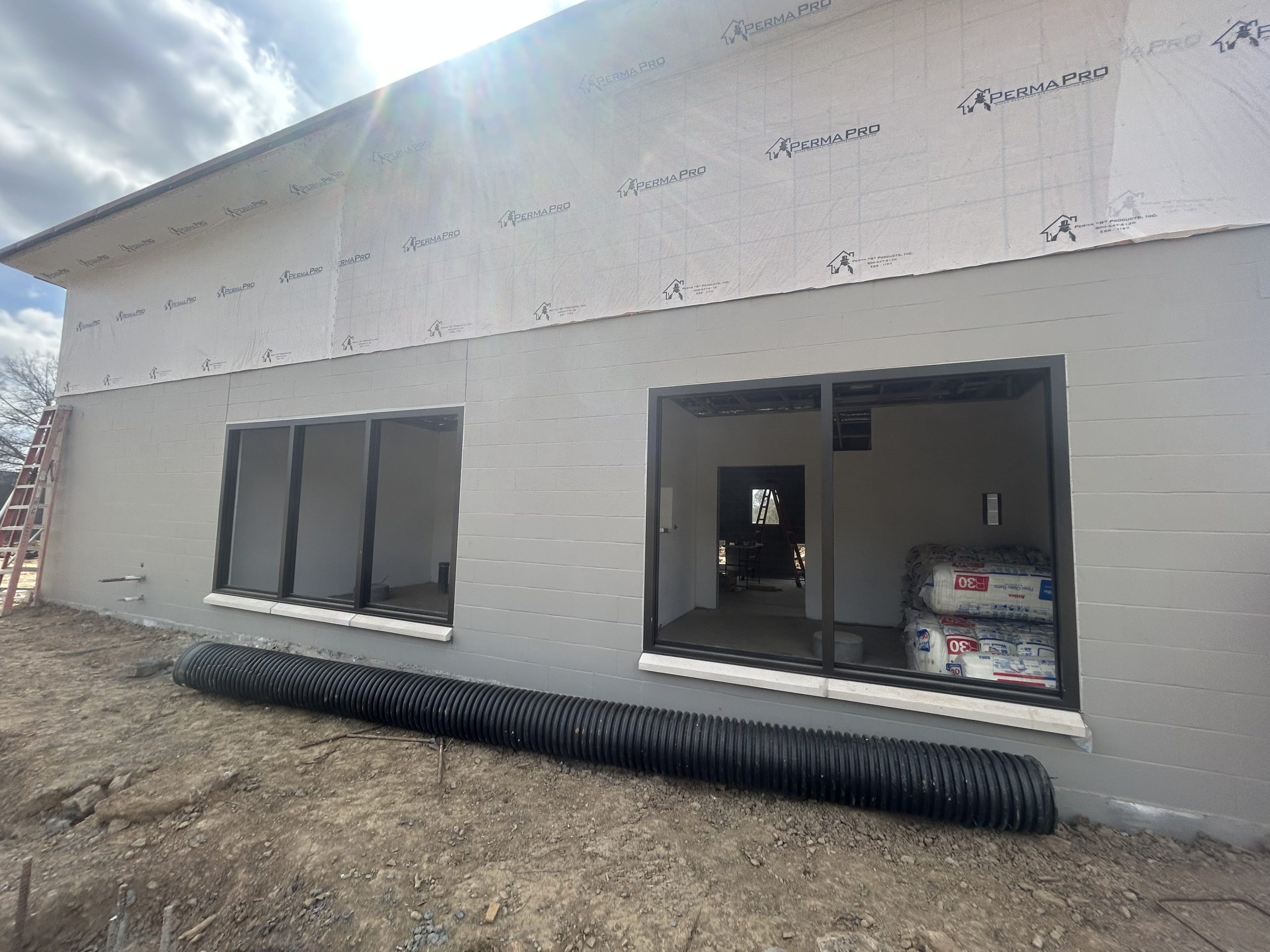
An outdoor view of the two lemur day rooms, both will feature artificial tree climbing structures. Photo Credit: Misty W.
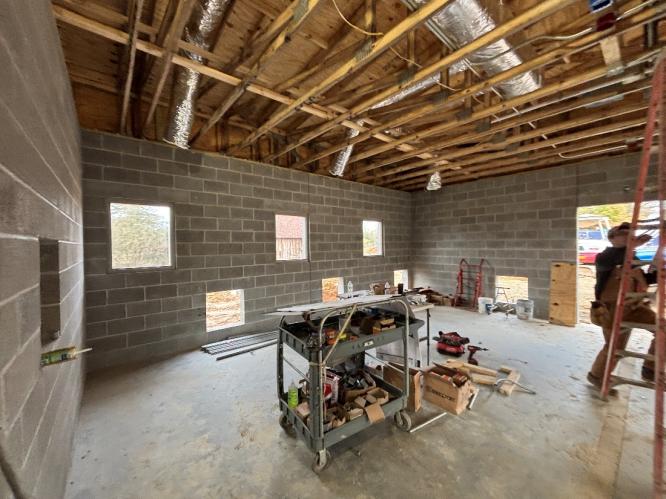
Inside the lemur building, the openings in the wall are access doors the lemurs will use to reach their outdoor exhibit space. Photo Credit: WDD Architects
The new space will feature two indoor day rooms with guest viewing, ensuring that even when the lemurs are inside, guests can still observe them. Even more exciting, the exhibit will extend farther into the plaza—allowing guests to be greeted by friendly and active lemurs almost immediately upon entering the Zoo.
Hidden Spaces, Big Experiences
Curator Hannah, who oversees the Zoo’s collection of ambassador animals, is especially excited about the opportunities these improvements will create at the amphitheater. Ambassador animals are part of the Zoo’s educational programs—they “work” by participating in animal encounters on-site or traveling to schools, libraries, and community events. Because these animals have active schedules, they are housed separately from animals on exhibit, allowing them to rest and recharge when they are not working.
The upgrades to the Zoo’s spaces mean even more engaging experiences for guests. Visitors can look forward to the return of amphitheater shows featuring ambassador animals, where they’ll have the chance to see and learn about these incredible species up close.
To support these programs, Hannah showed us a building that has gone up as part of the project but won’t be open to the public. The old Lorikeet Landing building is being transformed to house the Zoo’s ambassador birds of prey, which require specialized spaces called mews. A mew is essentially a private housing area designed specifically for birds of prey, providing a calm, secure space where they can rest, train, and be cared for outside of public view. Each mew will feature both indoor and outdoor access, allowing birds to choose where they spend their time.
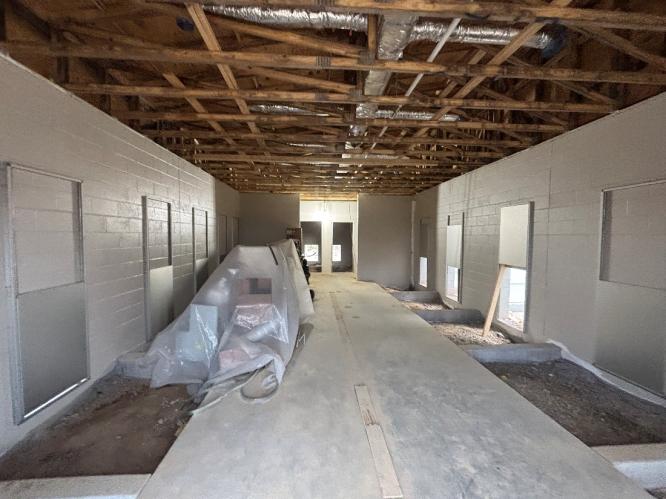
An inside look at the mew building hallway, designed to be long enough for flight training. Photo Credit: WDD Architects
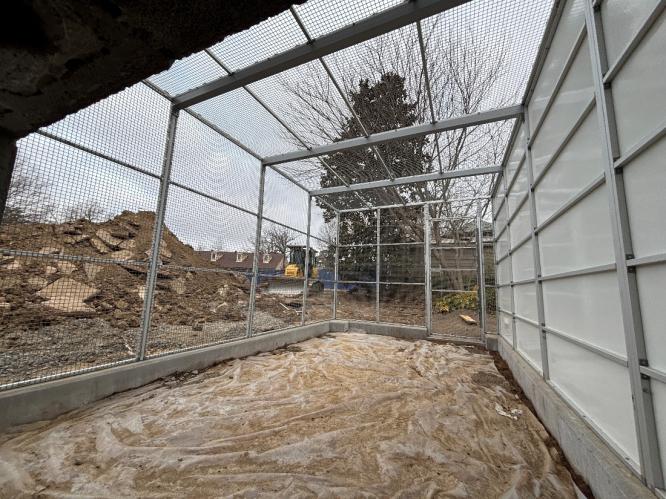
The outdoor enclosures will give the birds of prey safe access to fresh air and natural light while remaining secure. Photo Credit: WDD Architects
Key features of the mews include perches, easy-to-clean floors, and thoughtful design elements that create a safe, hygienic, and low-stress environment for the birds. The building also provides ample space for flight training, allowing Hannah and her team to safely work with the ambassador birds and prepare them for educational programs and amphitheater shows. At the same time, the design gives the animals a quiet space where they can rest while still being able to display natural behaviors between engagements.
Walking the site with the keepers made one thing clear: this project is about more than construction. It’s about building spaces that support animal wellbeing, elevate guest experiences, and provide the tools our staff need to do their jobs safely and effectively.
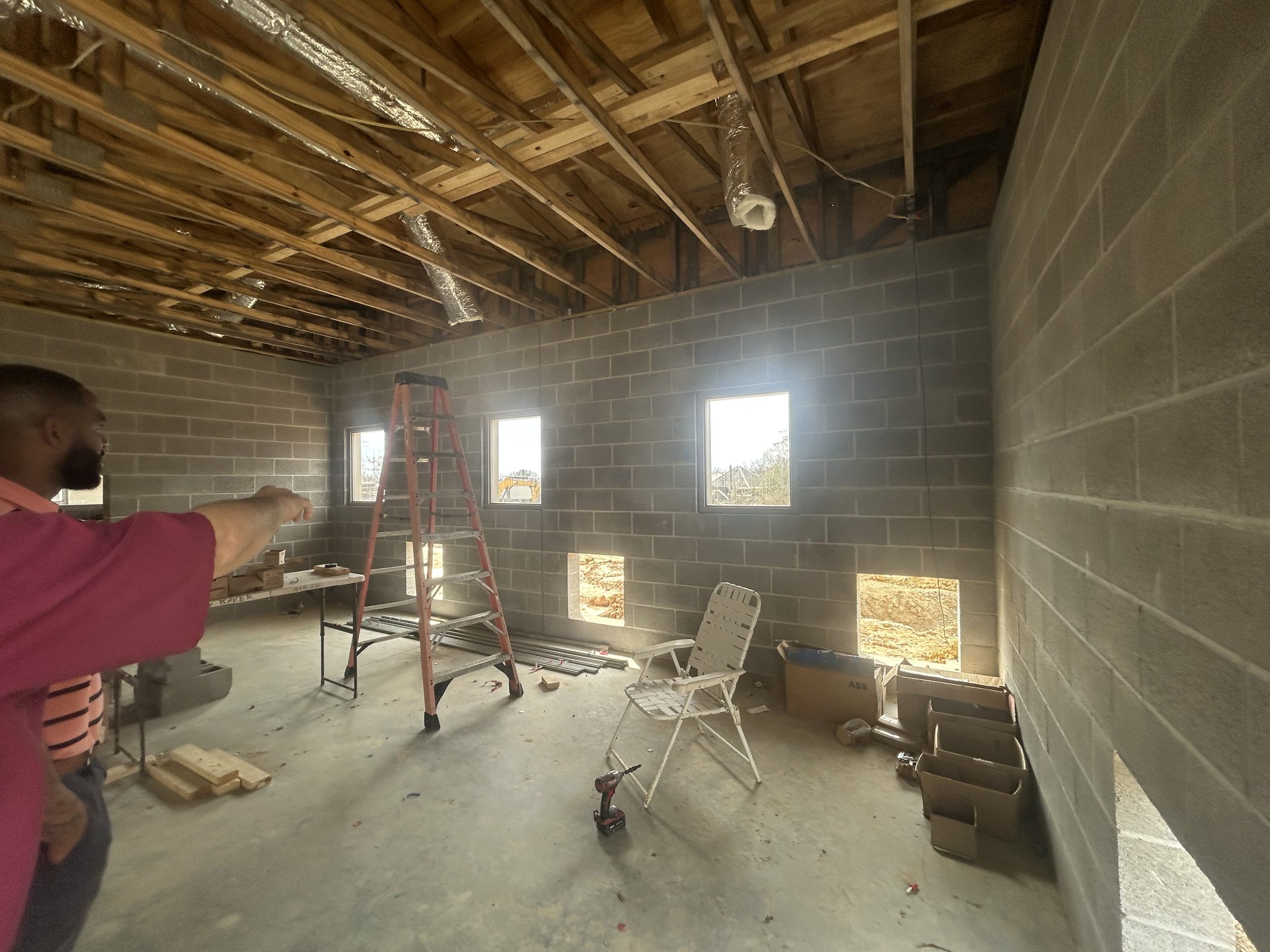
Another view inside the lemur building, staff get a closer look at the different amenities of the building, with team members pointing out key features and sharing their excitement for the new space. Photo Credit: Misty W.
Every detail—right down to the size of a door or the length of a hallway—reflects that commitment. These improvements behind the scenes, from specialized mews for ambassador birds to expanded habitats and enriched day rooms, are designed so animals can express natural behaviors while staff can provide the highest level of care.
Ultimately, the real impact of these changes will be felt by our guests. We can’t wait for you to experience these Wildly Reimagined spaces—where every detail, every habitat, and every experience has been designed to thrill, inspire, and connect guests to animals like never before.